Advancing AI at the speed and scale we’re working toward requires more energy, but today’s clean energy technologies have real limits: solar depends on sunlight, wind depends on weather, and the grid still needs more storage to make the most of both. That’s why we’re announcing two new partnerships with Overview Energy and Noon Energy that take on these challenges from different angles, bringing innovative energy generation and storage to the grid.
Together with Overview Energy and Noon Energy, we’re pioneering new power solutions to support our data center operations and AI infrastructure. From collecting solar energy in orbit to storing renewable power for days at a time, we’re supporting the advancement of innovative technologies that can deliver reliable energy at the scale AI demands — while strengthening America’s energy leadership.
Harnessing Solar Power From Space
Solar facilities only generate electricity when the sun is shining, leaving them idle for significant parts of the day. Overview Energy aims to unlock those idle hours. Its satellites sit in geosynchronous orbit roughly 22,000 miles above Earth’s equator, where sunlight is constant, collecting energy in space and beaming it to Earth-based solar facilities on the ground as low-intensity, near-infrared light. This means solar farms that currently sit idle at night can keep producing electricity around the clock, maximizing their output and creating more energy for the grid.
Those facilities convert the beam into electricity and feed it into the grid the same way they handle direct sunlight today — without requiring additional land or grid infrastructure. Because the technology will build on solar infrastructure that’s already in place rather than requiring new facilities, it can come online faster at scale than traditional buildouts.
This partnership makes Meta one of the first major technology companies to secure a capacity reservation for space solar energy. Together with Overview, we’ll deploy up to 1 GW of this orbit-to-grid energy to support our data center operations.
Storing Energy for Days, Not Hours
Even with new sources of power generation, the grid needs storage that can carry clean energy through extended periods — not just a few hours, but days at a time. That’s where our partnership with Noon Energy comes in. Noon Energy’s technology uses modular, reversible solid oxide fuel cells and carbon-based storage to provide over 100 hours of energy storage, far beyond what today’s lithium-ion batteries can deliver. Under this partnership, Meta has reserved up to 1 GW/100 GWh of ultra-long-duration energy storage capacity, with an initial 25 MW/2.5 GWh pilot demonstration project expected to be completed in 2028.
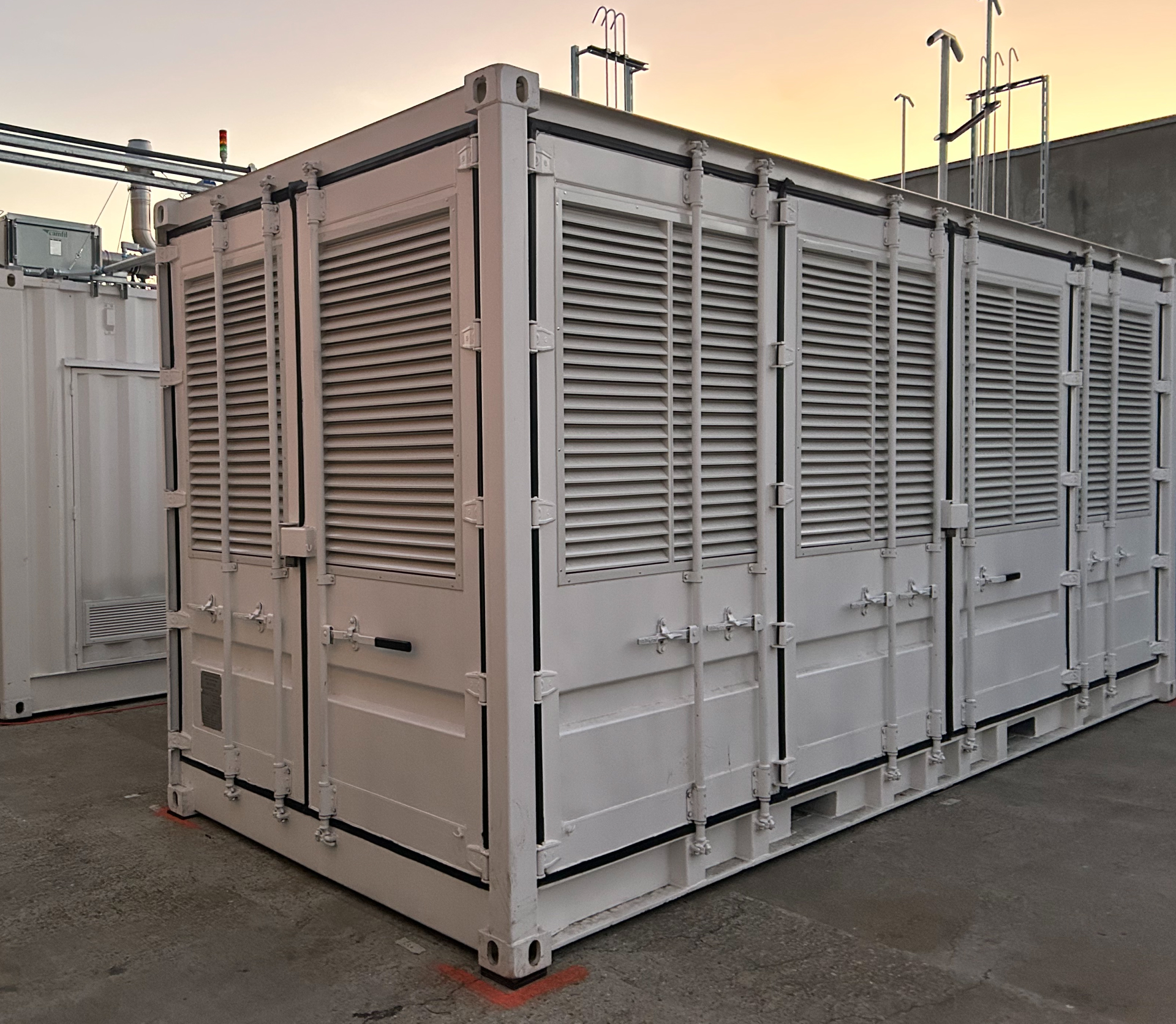
This is among the largest commitments to ultra-long-duration storage in the industry, setting an example for how technology companies can power AI and cloud infrastructure using storage to maximize availability of energy. This technology provides grid resilience and enables baseload energy to support Meta’s AI infrastructure around the clock.
Building on Our Energy Portfolio
These partnerships with Overview and Noon build on our approach to helping strengthen the grid through diverse and reliable solutions. To date, we’ve contracted more than 30 GW of clean and renewable energy, representing billions in capital investments. This includes partnerships with Sage Geosystems and XGS Energy to develop next-generation geothermal energy. We are also one of the most significant corporate purchasers of nuclear energy in American history, supporting 7.7 GW of nuclear energy across agreements with Vistra, TerraPower, Oklo and Constellation Energy. Together, these investments reflect how seriously we take this, from solutions delivering power today to emerging technologies that will help meet the demands of tomorrow.
What Comes Next
Both technologies are moving toward key milestones. Overview Energy’s orbital demonstration is planned for 2028 — the first time the system is slated to beam energy wirelessly from space to a solar farm on Earth. If successful, commercial delivery to the US grid could start as early as 2030. The potential to make existing infrastructure produce more output is what makes space solar worth investing in now to help move this technology from concept to the grid.
Noon Energy’s demonstration project is also targeting 2028, and our partnership is designed to scale up to 1 GW/100 GWh. Its modular design means capacity can grow alongside our data center footprint without requiring entirely new infrastructure.
Both technologies are early, and that’s exactly why they’re worth supporting now. The potential to unlock more from existing infrastructure and store energy for days at a time are the kinds of innovation that can reshape what’s possible. We’ll keep backing the ideas and partnerships that help build an energy system for what America is building next.